
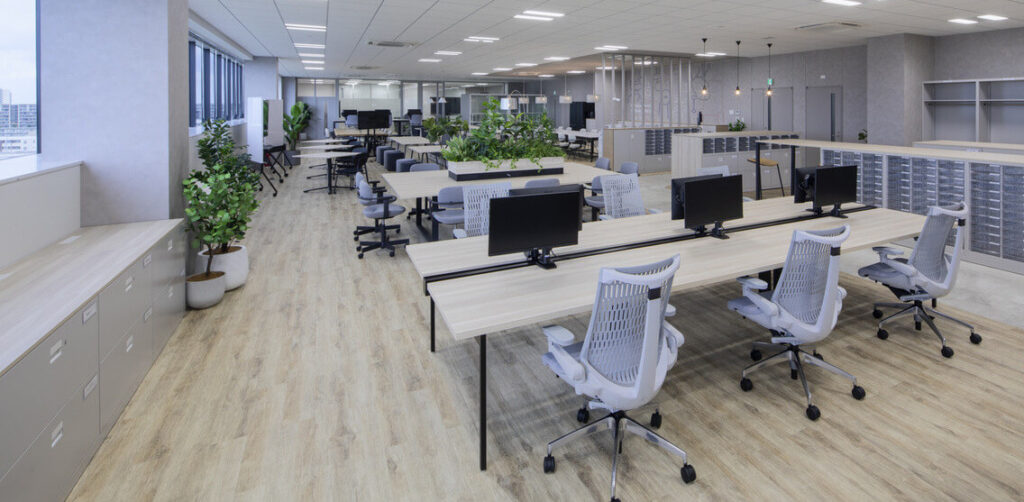
In 2020, many of us thought fully remote work might be “the new forever.” Fast‑forward to 2026, and the picture is more nuanced. Hybrid is still very much alive, but more companies are tightening expectations around when and why people are in the office, especially for accounting, finance, HR, and operations roles.
From my seat in direct-hire staffing, I’m seeing a clear shift: high‑performing teams are not swinging all the way back to 5 days in the office for everyone – but they are becoming far more intentional about in‑person time. The question is no longer “Can this job be done from home?” It’s “What work is better when we’re together, and how do we design our office rhythm around that?”
The 2026 Reality: Clearer Expectations, Sharper Hybrid
In the early days of remote work, flexibility often meant “work wherever, whenever.” That worked for a while. But as organizations matured their post‑pandemic strategies, many realized they were losing something important: spontaneous collaboration, mentoring for newer employees, and a sense of shared culture.
In 2026, I’m seeing three dominant patterns in job descriptions and hiring conversations:
- Fully remote roles still exist, but they are more selective and often reserved for highly experienced, independent contributors.
- Fully in‑office roles are back in certain environments where collaboration, client interaction, or sensitive information make physical presence more practical.
- The fastest‑growing category is “sharp hybrid”: clear anchor days in the office, specific expectations by role or team, and a defined purpose for in‑person time.
Candidates may not love a vague “you just need to be here more,” but they respond surprisingly well to: “We’re in office Tuesday through Thursday because those are our collaboration and mentoring days. Monday and Friday are flexible.”
Why In‑Office Time Matters for Engagement
As a recruiter, I talk to candidates all day long about what actually keeps them engaged at work. Flexibility matters – but it’s not the only lever. When in‑office time is used well, it can become a powerful engagement tool instead of a checkbox.
Here are the themes that come up repeatedly:
1. Faster collaboration and real‑time problem solving
There is a different energy when a finance leader, HR partner, and operations manager are in the same room working through a problem. Whiteboard sessions, quick side conversations, and rapid decisions are much harder to replicate through back‑to‑back video calls.
For employers, that means:
- Complex issues are resolved more quickly.
- Misunderstandings get corrected in the moment.
- Cross‑functional relationships are stronger, which pays off when things get stressful.
When I speak with hiring managers who have brought their teams back for at least a few anchor days, many describe a noticeable improvement in communication and alignment.
2. Better mentoring and faster development – especially for early‑career talent
Remote onboarding and mentoring were some of the hardest challenges of the last few years. Early‑career professionals often tell me they feel “stuck behind a screen” with fewer chances to observe, ask informal questions, or get tapped for visible projects.
In‑office time changes that:
- New hires can overhear how their leaders handle tough conversations.
- Junior team members get pulled into impromptu meetings or client moments.
- Managers can spot growth opportunities simply by watching how someone operates in the room.
Gen Z and early‑career candidates, in particular, are asking for more coaching, feedback, and visibility. They may still want a hybrid schedule, but many are open – even eager – to spend more time in the office if it clearly supports their growth.
3. Culture and belonging that feels real, not scripted
Culture is more than virtual happy hours and Slack channels. It’s the dozens of small, unscripted interactions that happen when people share a space: the “walk and talk” after a tough meeting, the quick high‑five after closing a deal, the impromptu lunch where a junior staffer gets to sit next to the CFO.
High‑engagement companies are starting to treat the office as a culture hub, not just a place to plug in laptops:
- Team meetings and stand‑ups are scheduled on in‑office days.
- Wins are celebrated together – birthdays, promotions, project milestones.
- Leaders are visibly present and accessible.
This doesn’t mean you can’t build culture remotely. It does mean in‑person time, when used intentionally, accelerates connection and belonging in ways that are hard to mirror online.
From “Where You Work” to “Why You Come In”
One of the most important mindset shifts I’m seeing in 2026 is this: smart organizations have stopped framing the conversation around location alone. Instead, they’re asking:
- What work is best done together?
- When do we need to be in the same room to move faster or make better decisions?
- How does in‑person time support our people’s careers, not just our preferences?
When employers can clearly explain the “why” behind their in‑office expectations, the candidate conversation changes. Instead of:
“We’re in the office three days a week because leadership said so.”
It becomes:
“We’re in together Tuesday–Thursday because those are our collaboration and mentoring days. That’s when you’ll get the most face time with leadership, hands‑on training, and cross‑functional exposure. Mondays and Fridays, you have flexibility for deep work and life.”
That level of clarity and intentionality is a differentiator in today’s market.
How to Make In‑Office Time Worth the Commute
If you’re revisiting your in‑office or hybrid strategy, here are some practical ways to turn “butts in seats” into genuine engagement and retention:
- Design office days around connection, not just presence. Use in‑office time for 1:1s, team working sessions, brainstorming, shadowing, and client prep – not for tasks people could just as easily do at home.
- Set consistent anchor days by team. Random attendance leads to empty offices and frustrated employees. Choose 2–3 days when the whole team is in, so people know they’ll actually see the colleagues they need.
- Make career growth visible in the office. Schedule mentoring lunches, learning sessions, and “ask me anything” time with leaders on in‑office days. Help employees connect presence with progress.
- Train managers to lead hybrid teams. Policies on paper don’t drive engagement – managers do. Equip them to run effective in‑person meetings, create inclusive rhythms for remote teammates, and ensure in‑office time feels intentional, not performative.
- Keep meaningful flexibility. Employees still value control over their schedules. Even if you’re increasing in‑office expectations, preserving flexibility around start/end times, occasional remote days, or life events will go a long way toward keeping your best people.
A helpful question to ask internally: “If someone spends an hour commuting each way, can we honestly say their in‑office day gave them something they couldn’t have gotten at home?” If the answer is no, there’s an opportunity to redesign.
What This Means for Hiring in 2026
For employers:
- You don’t have to choose between engagement and flexibility.
- You do need to be crystal clear about your expectations and why they exist.
- Candidates in accounting, finance, HR, and operations are increasingly asking, “What does a typical week look like?” – and your answer is part of your employer brand.
For candidates:
- It’s okay to value flexibility and still want to be around your team.
- When you see a hybrid or in‑office role, dig into how that structure supports collaboration, mentoring, and your long‑term growth.
From our vantage point at Pegasus, the roles that perform best in today’s market are not simply “remote” or “in‑office.” They are thoughtfully designed, clearly communicated, and aligned with how work actually gets done.
If you’re rethinking your 2026 in‑office strategy – or struggling to attract and retain the right accounting, finance, HR, or operations talent under your current approach – I’d be happy to be a thought partner. Sometimes a small shift in how you structure and message your work model makes a big difference in who you can hire and how long they stay.