
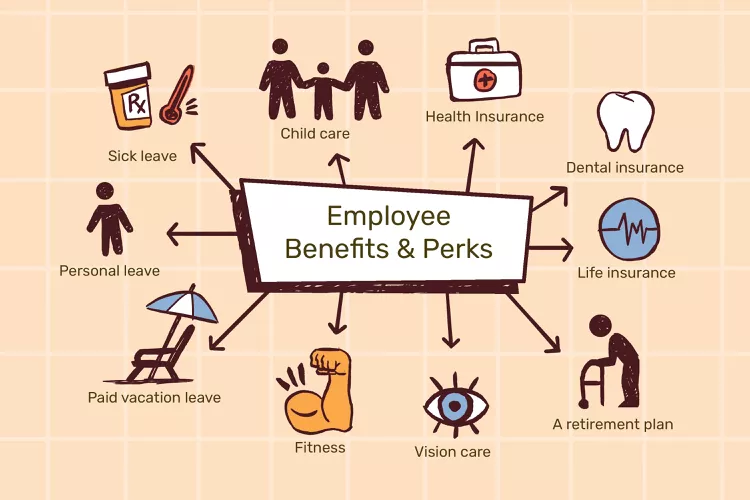
We recently shared a post about the creative perks some companies are rolling out to entice people back into the office. Think onsite gyms, catered lunches, game rooms, commuter stipends, pet-friendly policies – the list goes on.
The responses were fascinating.
Some people said the answer is simple: just pay employees more.
Others said they value flexibility above everything else.
Some talked about culture, mentorship, and the spontaneous conversations that happen when talented people are in the same room.
Others shared they’d gladly trade every office perk on the list for one thing: the ability to work remotely full-time.
What struck us most wasn’t who was right.
It’s that everyone was right.
The biggest mistake we see employers make
As recruiters, one of the most common missteps we see is the assumption that employees are all motivated by the same things.
They’re not.
- One candidate is laser-focused on maximizing compensation.
- Another wants schedule flexibility so they can make school drop-offs, practices, or aging parent appointments.
- One thrives in a buzzing, collaborative office environment.
- Another does their best work in a quiet home office, free from constant interruptions.
- Some people want rapid career growth, stretch assignments, and mentorship.
- Others prioritize stability, clear expectations, and a predictable workload.
None of these priorities are wrong. They’re simply different.
When companies design roles, policies, and “perks” around a single assumption of what employees should want, they unintentionally narrow their talent pool and increase the risk of turnover. What feels like an amazing benefit to one employee (weekly in-office events, for example) may be irrelevant – or even a negative – for someone else.
Why “best” is the wrong goal
This is why recruiting has never really been about finding the “best” company or the “best” candidate in some universal sense.
It’s about finding the right fit.
A company that offers incredible onsite culture, in-person coaching, and a bustling office might be the perfect match for someone early in their career who craves mentorship and social energy. The same company might be a terrible fit for a mid-career parent who needs flexibility more than free lunches.
On the flip side, a fully remote role with lots of autonomy, minimal meetings, and clear deliverables might be a dream for one candidate and deeply isolating for another.
When we talk about “what employees want,” we often speak in absolutes.
In reality, the answer depends on:
- Season of life
- Career stage
- Financial goals
- Personal responsibilities
- Work style and personality
That’s why we spend so much time in candidate conversations asking about what actually matters to them – not just what’s on their resume.
What the best employers are doing differently
The companies that consistently attract and retain great talent rarely rely on a one-size-fits-all value proposition.
Instead, they:
- Ask, don’t assume
They gather real feedback – through surveys, stay interviews, one-on-ones, and exit interviews – to understand what their employees value right now, not five years ago. - Offer some degree of choice
They may not be able to customize everything, but they create flexibility where they can: hybrid schedules, different benefit options, varied career paths, or role types that appeal to different priorities. - Communicate clearly
They’re upfront about what they can and can’t offer. That honesty helps candidates self-select in or out, which leads to better long-term matches on both sides. - Evolve over time
They recognize that employee expectations shift with the market and with life stages, and they’re willing to adapt instead of clinging to “how we’ve always done it.”
In other words, they stop trying to win a generic “best place to work” contest and focus on being the right place to work for the people they want to attract and keep.
Start with a better question
The conversation shouldn’t be, “What do employees want?”
A better question is:
What do your employees want?
Because the answer may be very different than you think – and it may be different across departments, levels, and locations.
If you’re a leader, that answer won’t come from a national headline or a viral post. It will come from real conversations with your own team.
And if you’re a candidate, the same principle applies. Instead of asking, “Is this a good company?”, ask:
- Is this a good company for me?
- Does what they offer line up with what I value most right now?
We’d love to hear your perspective:
What is the most important factor you consider when evaluating an employer today?