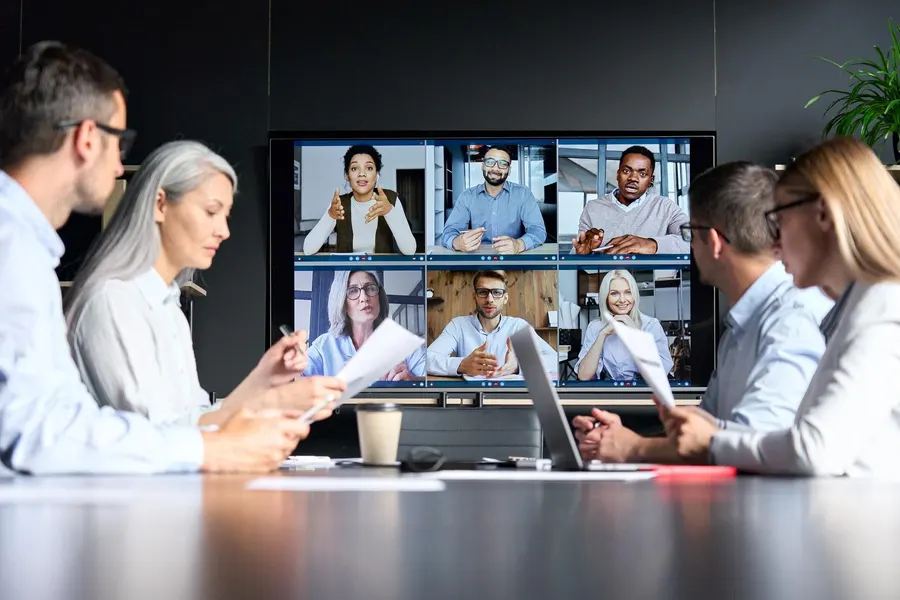
If you’re hiring in 2026, you’ve probably noticed something confusing: job postings are more flexible than they were a few years ago, but candidates are still walking away from offers that look “good on paper.” You post a hybrid role, you highlight your beautiful office, you even mention work-from-home days – yet the best people still hesitate.
The reason is simple: candidates don’t experience “hybrid” or “remote” as buzzwords. They experience them as daily life. And in 2026, daily life expectations have shifted far faster than many hiring managers realize.
The Numbers: Postings Are Flexing, But So Are Candidates
Across the U.S., the picture looks like this: roughly a quarter of job postings now advertise hybrid arrangements, and just over one in ten are fully remote. That’s a long way from the days when almost everything was “on-site only,” and it reflects a real shift in how companies structure work.
But here’s the disconnect: while postings are flexing, candidates have moved even further. For many experienced professionals – especially in accounting, finance, HR, and operations – the baseline expectation is no longer “Can I work from home sometimes?” It’s “Can I build a sustainable life around this job?”
That’s not the same question.
Beyond Labels: What “Hybrid” Really Signals Now
When candidates see “hybrid” in a posting in 2026, they don’t just ask, “How many days?” They read it for signals:
- Is this truly flexible, or just office-first with a new coat of paint?
“Hybrid – 3 fixed days in-office, no exceptions” reads very differently from “Hybrid – 2-3 days, team-set, with flexibility for life events.” - Will I be penalized if I’m not in the room every day?
Candidates have lived through “proximity bias” and are wary of being the only one dialing in to a meeting where decisions are really being made at the conference table. - Can I trust the policy to last?
Many professionals have experienced the slow slide from “work from anywhere” to “we’d really like you in 4 days a week.” They’ve learned to ask how stable your approach really is.
For employers, that means “hybrid” isn’t a selling point by itself anymore. It’s a starting point – and candidates are scrutinizing how you define it.
What Candidates Actually Want: Four Core Expectations
Whether they tell you directly or not, most in-demand candidates are looking for four things:
1. Flexibility With Boundaries
Candidates want flexibility, not chaos. They’re looking for:
- Some say in which days they’re in-office and which they’re remote
- Reasonable core hours plus the ability to handle life (kids, appointments, commutes) without drama
- Guardrails that prevent “hybrid” from turning into “always on”
The winning message here isn’t “we’re fully remote” or “we’re three-days hybrid.” It’s “we’re clear about expectations and grown-up about life.”
2. True Location Strategy, Not Just Policy
A lot of professionals now ask a version of the same question: “Does this company design work around where people actually live?”
That means:
- If you’re office-first, is the office reasonably accessible, or are you asking someone to add hours of unpaid commute to their day?
- If you’re remote or hybrid, are your teams clustered in a region or scattered across time zones – and how do you manage that?
Candidates don’t necessarily need perfection, but they do want to see that someone has thought about the practical side of where and how people work.
3. Equal Opportunity, Wherever They Sit
Top performers have learned to look for signs of real equity across office, hybrid, and remote workers:
- Are performance reviews and promotions based on outcomes or face time?
- Do remote/hybrid employees get meaningful projects and visibility?
- Are managers trained to lead distributed teams, not just local ones?
If your answer is “we’re figuring it out,” that’s okay—but be ready to explain what you’re actually doing, not just what you intend.
4. A Workday That’s Sustainable
Underneath all the policy talk, most candidates want something basic: a job that doesn’t quietly swallow their evenings, weekends, and health.
That’s where flexibility and sustainability intersect:
- A long commute might be fine – if in-office days are limited and purposeful.
- Fully remote might sound great – unless meetings are scheduled across time zones and days stretch from 7am to 7pm.
- Office-first can be attractive – if there’s real focus time, support, and time boundaries.
The question in their head is: “Can I do excellent work here and still have a life?”
How to Talk About Your Work Model in 2026
If you want your postings to stand out to today’s candidates, focus less on the label and more on the lived experience. A few practical shifts:
- Describe the “why,” not just the “what.”
Instead of “3 days in-office,” try: “We’ve found 2-3 in-office days help new team members ramp faster and build relationships, so we set those days as a team and protect them for collaboration.” - Be honest about trade-offs.
If a role requires more in-office time during training, deadlines, or audits, say that – and explain what support you provide in return. - Show your learning curve.
Candidates respect employers who admit, “We’ve adjusted our policy twice based on employee feedback, and here’s where we’ve landed.” - Train managers – and say so.
Mention that managers are trained to lead hybrid and remote teams, run inclusive meetings, and avoid proximity bias. That signals you’re not leaving it to chance.
The Bottom Line: Flexibility Is Now Part of Your Value Proposition
In 2026, your work model is no longer a logistical detail – it’s part of your employer brand. Hybrid, remote, and office-first can all work, but only if you can answer a candidate’s real questions:
- Will I be trusted?
- Will I be supported?
- Will I have a fair shot at growth?
- Can I do this job well without burning out?
If your policies – and your day-to-day practices – tell a coherent, honest story on those points, you won’t just check the “flexibility” box. You’ll stand out in a market where a lot of postings talk about hybrid and remote, but far fewer actually know what those words mean to the people reading them.